
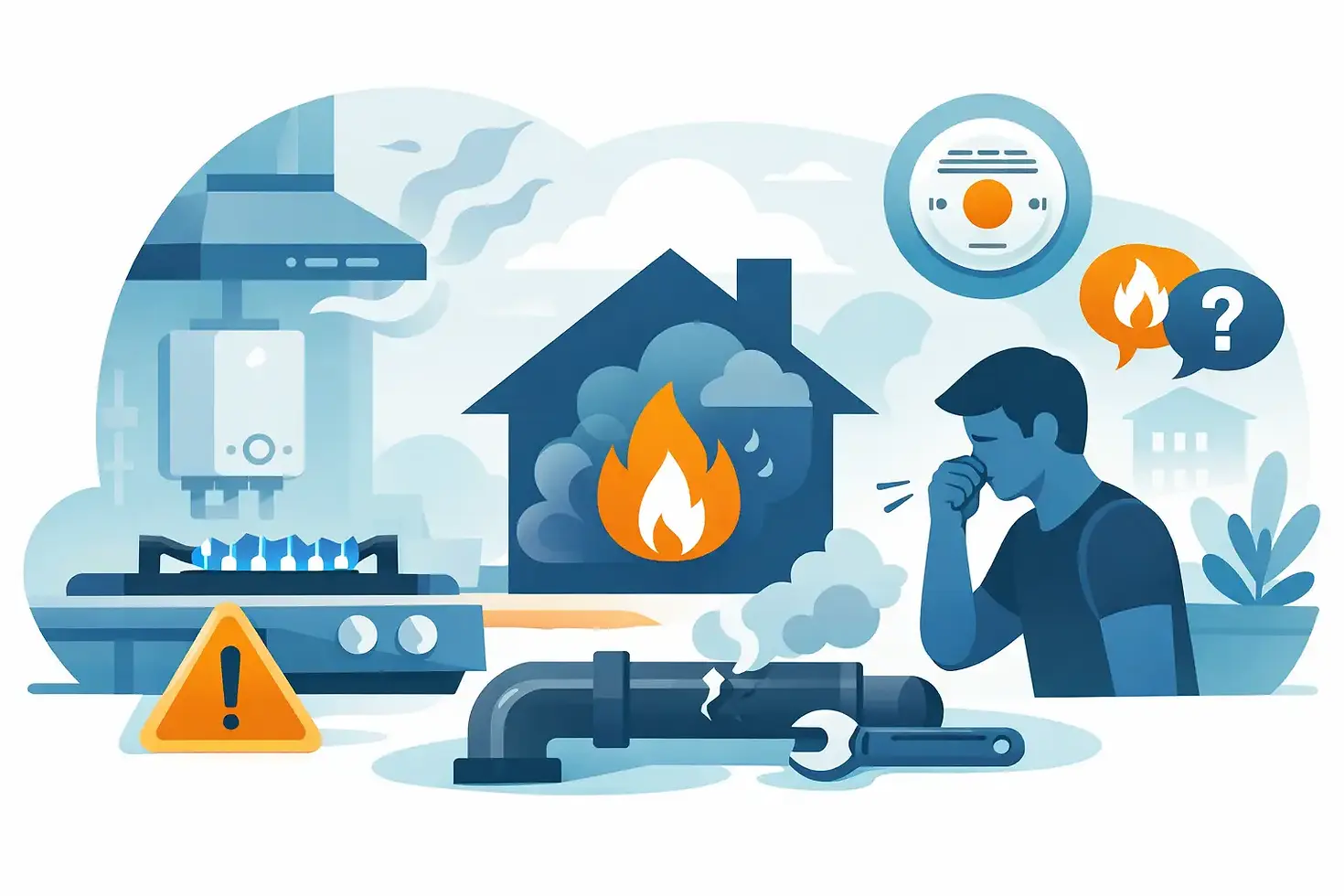
Gas Safety at Home: Signs You Should Act
A gas smell near the cooktop, hot water unit or bottle should never be treated as something to check later. Good gas safety starts with recognising the warning signs early, getting people clear of the area and calling the right licensed professional. For homes, rural properties and commercial premises across Busselton and the South West, a prompt response can prevent a minor fault becoming a serious hazard.
What to Do if You Smell Gas
Natural gas and LPG are given a distinctive sulphur-like smell so leaks can be detected. If you notice that odour indoors or around a gas appliance, treat it seriously, even if it seems faint or comes and goes.
If it is safe to do so, turn off the gas supply at the meter or LPG cylinder valve. Avoid creating sparks: do not use electrical switches, plug in appliances, operate a garage door, light a match or use a naked flame. Do not start a vehicle nearby. Open doors and windows as you leave the area, then keep people and pets away.
Call emergency services on 000 if there is an immediate danger, fire, injury or a strong smell of gas. Once everyone is safe, contact your gas supplier or a licensed gasfitter for advice and repairs. Never try to locate a leak with a flame or carry out a repair yourself.
The same approach applies outside. A gas smell near an LPG bottle, outdoor heater, barbecue connection or gas meter needs attention. Cylinders should remain upright, well ventilated and away from heat sources. If a cylinder is damaged, hissing or leaking, keep clear and seek professional advice.
Gas Safety Warning Signs Worth Checking
Not every gas fault produces a strong smell. Changes in how an appliance operates can also point to a problem with the appliance, ventilation, flue or gas supply. A healthy gas flame is generally blue and steady. Yellow, orange, lazy or flickering flames need investigation, particularly on a cooktop, heater or gas hot water system.
Soot marks around an appliance, excessive condensation, a pilot light that repeatedly goes out, or a heater that is harder to start than usual can also indicate incomplete combustion. Do not ignore unusual noises, such as popping, whistling or persistent hissing around a connection.
Gas hot water systems deserve particular attention because they are often located outside or in a less frequently used part of the property. If water temperature becomes unreliable, the unit cuts out regularly, or you can see corrosion around pipework and fittings, arrange an inspection. A fault can affect both reliable hot water and safe operation.
For property managers and commercial operators, reports from tenants or staff should be acted on quickly. Repeated call-outs for a heater, cooktop or hot water unit are not simply an inconvenience. They can be a sign that the underlying issue has not been properly resolved.
Carbon Monoxide Can Be Hard to Detect
Carbon monoxide is a dangerous gas produced when fuel does not burn properly. It has no colour, smell or taste, so it cannot be detected by smell alone. Poor ventilation, blocked flues, incorrect installation and poorly maintained appliances can all contribute to the risk.
Symptoms of carbon monoxide exposure can include headache, dizziness, nausea, tiredness, confusion and shortness of breath. These symptoms may be mistaken for a virus or fatigue, especially when several people in the same building feel unwell. If symptoms develop while a gas heater or other fuel-burning appliance is operating, move outside into fresh air and seek urgent medical help.
Never use an outdoor gas barbecue, patio heater, portable gas appliance or generator inside a home, shed, garage, caravan or enclosed entertaining area. Opening a window is not a substitute for proper ventilation. These products are designed for outdoor use because combustion gases need to disperse freely.
A correctly installed and maintained appliance is the best protection. Carbon monoxide alarms can provide an additional warning in suitable locations, but they do not replace servicing, ventilation or professional installation.
Keep Gas Appliances Maintained
Gas appliances work hard over winter and through the busy holiday periods, particularly in homes with gas heating, cooking and hot water. Routine maintenance helps identify worn components, poor combustion, damaged connections and ventilation issues before they become urgent.
The right servicing schedule depends on the appliance, its age, manufacturer requirements and how heavily it is used. A rental property, holiday home or commercial kitchen may need a more structured maintenance plan than a lightly used household appliance. Rural properties can also face extra exposure to weather, dust and insects around outdoor systems.
Only a licensed gasfitter should install, alter, service or repair fixed gas appliances and pipework. This includes cooktops, ovens, gas bayonets, heaters, hot water systems, LPG bottle connections and gas lines for renovations or new builds. DIY work may create a leak, affect appliance performance or leave the installation non-compliant.
When work is completed, ask the gasfitter what has been checked and whether there are any recommendations for future maintenance. Keeping service records is useful for homeowners and essential for many property managers and businesses.
Gas Safety During Renovations and New Builds
Renovations often change more than the appearance of a kitchen, laundry or outdoor area. Moving a cooktop, extending an alfresco kitchen, adding an outdoor shower or replacing a hot water system can require new gas pipework, correct appliance clearances and suitable ventilation.
Plan gas work early, before cabinets, benchtops, plasterboard or paving make access difficult. This gives your plumber and gasfitter the chance to coordinate pipe locations, isolation valves, appliance positions and any required connections. It can also avoid costly changes after the build is well underway.
Appliance selection matters too. A unit that suits a small enclosed kitchen may not be right for an open-plan home, a commercial space or an exposed rural property. Gas supply type, expected demand, ventilation, available space and the location of LPG cylinders all need to be considered.
For LPG systems, cylinder placement should allow safe access for bottle changes while keeping cylinders clear of ignition sources, drains, enclosed spaces and areas where they may be knocked by vehicles or equipment. A licensed professional can assess the site and install the system to the applicable requirements.
Simple Habits That Reduce Risk
Most gas safety checks are straightforward, but they should be consistent. Keep flammable items, tea towels and aerosols away from cooktops and heaters. Make sure air vents and appliance flues are not blocked by furniture, dust, nests or stored items. Teach children not to play with appliance controls or gas bottle valves.
Before using a barbecue after a long break, inspect the hose and connections for cracking, damage or loose fittings. Use soapy water to check accessible LPG connections for bubbles if you suspect a leak, but only when there is no strong gas smell and no ignition source nearby. If bubbles appear, turn off the gas if safe and arrange a licensed repair.
If you are leaving a holiday home vacant for an extended period, consider turning off gas appliances and checking that outdoor bottles and pipework are secure. Property owners should also make sure tenants know who to contact if they smell gas or have concerns about an appliance.
When to Call a Licensed Gasfitter
A licensed gasfitter should be called for any suspected gas leak, recurring appliance fault, damaged gas line, yellow flame, failed hot water unit or planned gas installation. It is also wise to arrange an inspection after storm damage, flooding, building work near gas lines or impact to an LPG cylinder or meter.
Do not accept temporary workarounds for a gas issue. Taping a hose, repeatedly relighting a pilot, disconnecting safety devices or using an appliance that has been behaving unusually can put people and property at risk. The safest option is to stop using the appliance until it has been checked.
For local property owners, SmartFlow Plumbing & Gas can assist with licensed gas installations, gas hot water services, repairs and practical advice on safe operation. Acting early protects your household, tenants, staff and guests, and helps keep your gas system reliable when you need it most.


Comments