

Commercial Plumbing Maintenance Guide for Busselton
A blocked toilet before the breakfast rush, a hot water failure in guest accommodation, or a leak spreading beneath a shop floor can interrupt trade quickly. This commercial plumbing maintenance guide helps Busselton and South West business owners spot problems early, plan practical checks and know when to call a licensed plumber.
Commercial premises place more demand on plumbing than most homes. Bathrooms may serve dozens of people a day, kitchens produce grease and food waste, and outdoor drains must cope with heavy rain and runoff. A planned approach reduces emergency call-outs, protects your property and helps your business stay open.
Start with the systems that affect daily trade
The best maintenance plan is built around the plumbing your business relies on most. For a café or restaurant, that is often kitchen drainage, grease management, toilets and hot water. For accommodation providers, guest bathrooms, hot water capacity and sewer drainage are usually the priorities. Offices, workshops, medical rooms, retail spaces and strata properties each have their own pressure points.
Walk through the site and make a simple record of fixtures, isolation valves, hot water units, drains, backflow devices and gas appliances. Include where they are located, what they serve and the date they were last repaired or tested. This gives staff and contractors a clear starting point when something goes wrong.
It is also worth identifying the water shut-off valve and ensuring the right people can access it. In a genuine leak, shutting off water quickly can make the difference between a small repair and damage to flooring, stock, electrical systems or neighbouring tenancies.
Build a commercial plumbing maintenance schedule
A schedule does not need to be complicated, but it does need to match the way your premises operate. High-use sites need more frequent inspections than a small office with limited amenities. Seasonal businesses should check systems before busy periods, rather than waiting for the first booking or holiday rush.
Daily and weekly checks
Staff are often the first to notice a change. Encourage them to report slow-draining sinks, toilets that keep running, dripping taps, water around a hot water unit, unpleasant odours or unusually low water pressure. These issues are easy to overlook, but they often point to a developing blockage, worn valve, concealed leak or failing component.
In commercial kitchens, remove food scraps from sink strainers and keep rubbish, oil and wipes out of drains. Even products labelled as flushable can cause trouble once they enter older pipework or combine with grease. Wipe down visible pipework where practical so new drips are easier to see.
Monthly and quarterly checks
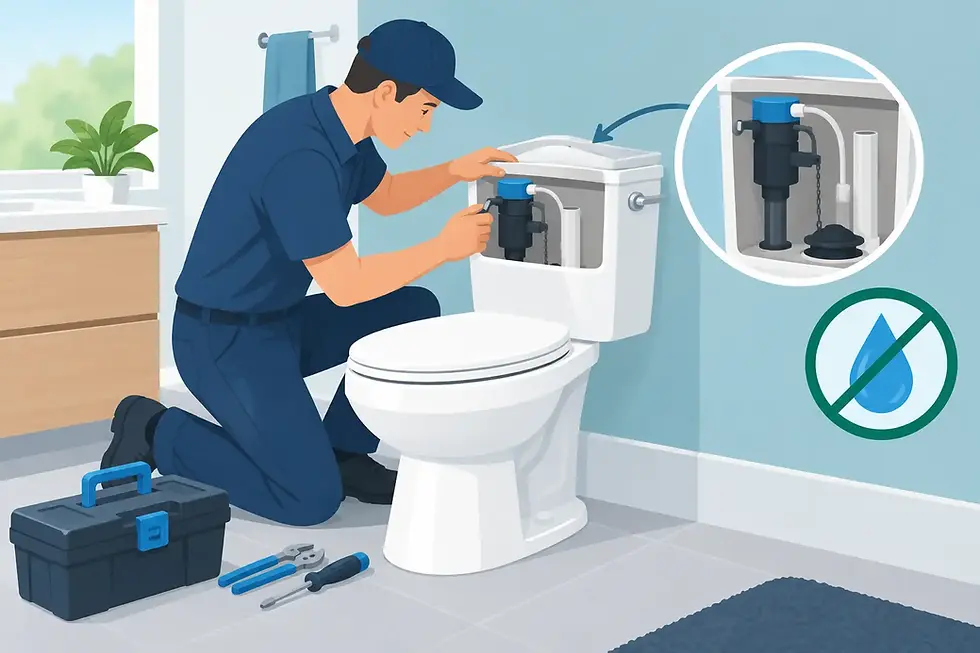
Inspect accessible pipes, under-sink connections and toilet cisterns for corrosion, staining and moisture. Test that taps turn off properly and toilets flush and refill as they should. Look over outdoor grates, stormwater pits and downpipes, removing leaves, sand and debris before they restrict flow.
For sites with customer amenities, check hand basins and floor wastes for smells. A dry floor waste can allow sewer odours into the building, particularly in little-used rooms. Adding water to the trap may resolve it, but recurring odours should be checked by a plumber.
Annual professional servicing
An annual inspection is a sensible baseline for many commercial properties, although busy hospitality venues, large accommodation sites and older buildings may benefit from more frequent servicing. A licensed plumber can assess drainage performance, inspect water pressure, test fixtures, identify leaks and check the condition of hot water equipment.
Where required, backflow prevention devices must be tested by an appropriately qualified technician at the required interval. These devices help protect the drinking water supply from contamination. Your local water authority or property requirements will determine the applicable obligations, so keep test reports and service records on file.
Keep drains clear before they block
Drainage problems rarely arrive without warning. Gurgling fixtures, water backing up, slow basins, frequent plunging and bad smells all deserve attention. Leaving them can lead to an overflow at the worst possible time, especially when a premises is busy.
A professional drain inspection may include high-pressure water jetting to clear buildup and a CCTV drain camera inspection to see what is happening inside the pipe. Camera inspections are particularly useful where blockages return, tree roots are suspected, or there may be cracked, displaced or poorly graded pipework. They replace guesswork with a clear view of the cause.
Avoid relying on harsh chemical drain cleaners as a routine fix. They may not remove the underlying obstruction and can be unsafe for staff, fixtures and some pipe materials. The right solution depends on the drain, the cause of the blockage and the condition of the system.
Treat water leaks as a business risk
Not every leak is visible. A slow leak beneath a slab, behind a wall or within an irrigation line can waste water for months before it becomes obvious. Watch for unexplained increases in water use, damp patches, peeling paint, mould, soft flooring or a water meter that continues moving when no water is being used.
Leak detection can help locate concealed issues without unnecessary damage to walls, floors or landscaping. Prompt repairs matter in commercial spaces because moisture can affect fit-outs, stored goods and indoor air quality, as well as create slip hazards for staff and customers.
If a leak occurs, isolate the water if safe to do so, move stock and electrical items away from the area, and arrange professional help. Take photos for your maintenance records and insurer where relevant, but do not delay repairs simply to document the damage.
Plan for hot water and gas reliability
A hot water system nearing the end of its service life may still work most days, but it can struggle under peak demand or fail without much warning. Reduced temperature, inconsistent supply, discoloured water, unusual noise and visible corrosion are reasons to arrange an assessment.
The right replacement or upgrade depends on demand patterns, available space, energy source and the number of fixtures in use at the same time. A small office may have very different needs from a brewery, salon or holiday accommodation property. Planning ahead gives you more choice than replacing a failed unit urgently.
Gas appliances and gas hot water systems should be serviced and repaired by qualified gas fitters. If you smell gas, do not operate switches, flames or electrical equipment nearby. Keep people clear of the area and seek urgent professional assistance.
Do not overlook stormwater and outdoor areas
South West weather can put stormwater systems under pressure. Blocked gutters, undersized drainage, damaged grates or poorly directed runoff can leave water pooling near entries, car parks, storage areas and building foundations.
Inspect stormwater inlets before winter and after major weather events. Keep grates clear and look for erosion, ponding or water flowing where it should not. Rural and larger commercial properties may also need a closer look at long runs of drainage, pumps, tanks and outdoor wash-down areas.
Keep clear records and act on patterns
A maintenance log is one of the simplest tools a property manager or business owner can use. Record inspections, repairs, test certificates, recurring faults and any changes in water consumption. Over time, patterns become easier to spot: the toilet that repeatedly blocks, the drain that slows after busy weekends, or the hot water unit that needs more frequent attention.
This information helps with budgeting and gives your plumber useful context. It can also support decisions about whether a repair remains worthwhile or a planned upgrade is the better long-term option.
For commercial properties across Busselton and the South West, SmartFlow Plumbing & Gas can assist with planned plumbing maintenance, drain inspections, leak detection, hot water systems, backflow services and practical repairs. The most useful maintenance plan is the one that fits your building, your trading hours and the consequences of a system failure. Start with the issues your staff see every day, then deal with them before they become an interruption your customers notice.


Comments