
Does Insurance Cover Burst Pipes in WA Homes?
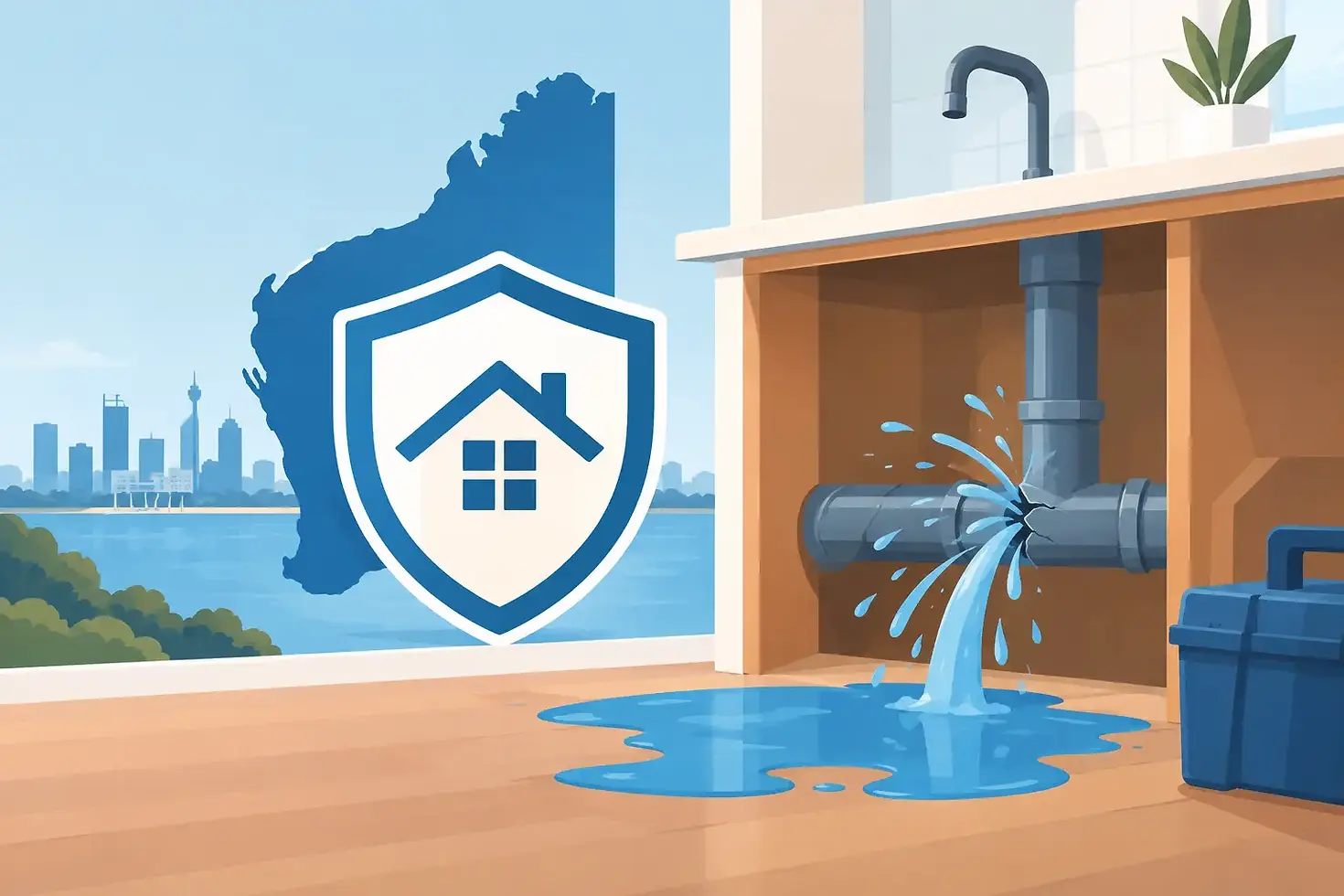
A burst pipe can turn a normal morning into a major clean-up within minutes. Water may run through cupboards, flooring, wall cavities and ceilings before the main supply is isolated. So, does insurance cover burst pipes? Often, yes - but cover usually depends on why the pipe burst, the policy wording, and whether the damage was sudden and accidental rather than the result of a long-running maintenance issue.
For homeowners, landlords and business operators across Busselton and the South West, the best response is always the same: stop the water safely, arrange a licensed plumber, document the damage, then speak with your insurer as soon as practical.
Does insurance cover burst pipes and water damage?
Most Australian home and contents policies include cover for damage caused by an unexpected escape of liquid. This can include water released when a pipe, fitting, flexible hose, tap connection or hot water system fails without warning. If a pipe bursts and damages your kitchen cabinetry, carpets, plasterboard or furniture, the resulting water damage may be covered, subject to your excess, limits and policy conditions.
The important distinction is between the damage caused by the water and the failed item itself. An insurer may pay to repair damaged walls or flooring, remove wet materials and help with temporary accommodation where that applies to the policy. They may not pay to replace an old, corroded pipe if the failure is considered wear and tear, rust, gradual deterioration or a maintenance problem.
Every policy is different. Read the Product Disclosure Statement and schedule, or ask your insurer to explain how your specific cover responds before approving non-urgent restoration work.
What insurers commonly assess after a burst pipe
When a claim is lodged, an insurer will usually want to know what failed, when the problem was found and what damage occurred. A plumber's report can be useful because it records the source of the leak, the condition of the pipework and the repairs required to make the property safe.
Insurers commonly look at whether the event was sudden and accidental. A split pipe beneath a vanity that releases a large amount of water overnight is very different from a small leak that has been staining a wall or swelling a cupboard for months. The first may fit an escape-of-liquid claim. The second may be declined or only partly covered if it is linked to gradual damage.
They may also assess whether reasonable steps were taken to prevent further loss. This does not mean you need to diagnose the plumbing yourself. It means turning off the water supply if it is safe, moving belongings away from water, and arranging urgent help rather than allowing the leak to continue.
Damage that may be covered
Depending on the policy, a successful claim may include the cost of repairing water-damaged building materials such as ceilings, walls, built-in cabinetry and floor coverings. Contents cover may respond to damaged furniture, rugs, electrical items and personal belongings.
Some policies also provide for emergency repairs, drying and mould prevention, debris removal or temporary accommodation when the home cannot be lived in. Landlord policies may include loss of rent in certain circumstances, while commercial policies can have separate provisions for business interruption.
Cover is not automatic simply because water is visible. The cause of the burst, the policy type and the evidence available all matter.
Costs that are often excluded
Policies commonly exclude the cost of fixing defects that develop gradually. That can include a pipe that has deteriorated through age, corrosion, poor installation, tree root damage or ongoing movement. Damage caused by a known leak that was not repaired promptly may also be excluded.
The policy may cover water damage from a failed flexible hose but not the cost of upgrading all ageing hoses throughout the property. Likewise, an insurer may pay to access and repair an insured water-damaged area, but the exact scope depends on the wording and assessor's findings.
Poor maintenance can complicate a claim. Regularly checking under sinks, around toilets, behind washing machines and near hot water units is a simple way to identify small leaks before they become expensive damage.
The first steps to take when a pipe bursts
Acting quickly can reduce the damage and protect your claim. If water is flowing, turn off the mains water at the property stop valve. Many homes have a valve near the water meter, but its location varies. If you cannot find it, or the valve will not operate, contact an emergency plumber.
If water has reached power points, appliances or electrical wiring, avoid touching electrical equipment and contact an electrician where required. Do not enter an area with water near exposed electrical hazards.
Take clear photos and short videos before moving items where possible. Photograph the source of the leak, affected rooms, damaged belongings and any visible staining. Keep invoices for emergency plumbing, drying equipment and other necessary work. Your insurer may ask for these when assessing the claim.
Then contact your insurer or insurance broker. They can advise whether an assessor needs to inspect the damage before major repairs begin. Emergency work to stop the leak and prevent further damage should not wait, but avoid disposing of damaged materials or authorising full restoration until you understand the insurer's process.
Why the cause matters in South West properties
Burst pipes are not only a cold-climate issue. In the South West, plumbing can fail due to corrosion, ageing pipework, high water pressure, failed flexible connectors, worn valves, ground movement or damage during building and landscaping work. Hot water system connections and pipes in roof spaces, cupboards and beneath concrete slabs can also fail with little warning.
Rural and holiday properties need particular attention. A house left vacant for long periods can sustain significant damage before a leak is noticed. If your policy has vacancy conditions, make sure you understand them. Some policies reduce or change cover if a property has been unoccupied beyond a stated period.
For rental properties, landlords should respond quickly to reports of leaks and keep records of inspections and repairs. Tenants should notify the owner or property manager immediately, even where the leak appears minor. A dripping pipe is not always just a dripping pipe.
Plumbing repairs and insurance claims
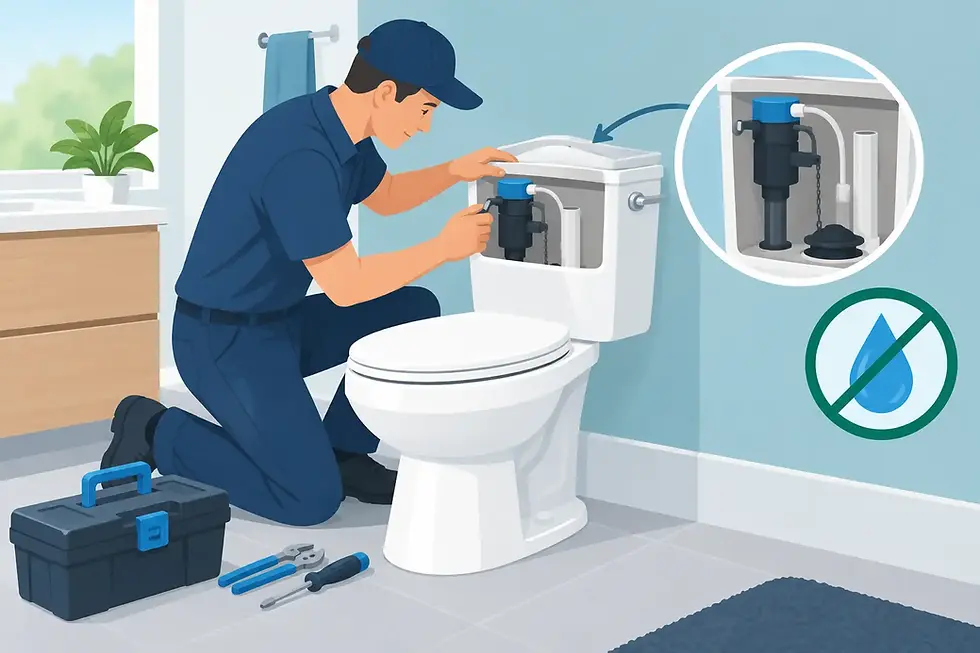
A licensed plumber's first job is to make the property safe and stop further water loss. This may involve isolating a section of pipework, replacing a burst pipe or fitting, repairing a failed valve, or completing leak detection where the source is concealed.
For concealed leaks, evidence matters. Water damage may appear well away from the actual failure point, particularly in slab homes or multi-storey buildings. Leak detection and a detailed plumbing report can help identify the source without unnecessary demolition, which is useful for both the property owner and insurer.
If the insurer approves repairs, clarify who is responsible for each part of the work. Plumbing repairs, building reinstatement, drying, electrical safety checks and replacement of damaged contents may involve different trades and claim processes. Keep communication in writing and retain copies of reports, photographs and invoices.
Prevention is usually cheaper than a claim
Insurance is there for unexpected loss, not routine upkeep. Replacing ageing flexible hoses, repairing dripping taps, checking visible pipework for corrosion and servicing hot water systems can reduce the chance of a sudden failure. If water pressure is excessive, a plumber can assess whether a pressure-limiting valve is needed.
Property owners should also know where the mains shut-off valve is and make sure it can be operated. For homes that will be empty for an extended period, consider turning off the water supply where practical and consistent with the needs of the property.
If water is spreading through your home or business, do not wait to see whether it settles. Isolate the supply, protect people from electrical risks, record what has happened and arrange qualified plumbing help. Fast, practical action gives you the best chance of limiting damage while your insurer assesses the claim.


Comments