

How to Locate Hidden Leaks Before Damage Spreads
A water leak does not need to flood a room to cause expensive damage. A slow leak behind a wall, beneath a concrete slab or along an underground pipe can waste a surprising amount of water before it becomes obvious. Knowing how to locate hidden leaks early gives Busselton and South West property owners a better chance of limiting damage, protecting their water supply and avoiding a larger repair.
Start with the warning signs
Hidden leaks rarely announce themselves with a burst pipe. More often, they show up as small changes around the property. A water bill that has climbed without a clear reason is one of the most common signs, particularly when household water use has not changed.
Inside, keep an eye out for damp or discoloured patches on ceilings, walls and flooring. Paint may bubble, plaster may soften, and skirting boards can swell or separate from the wall. A persistent musty smell can also point to moisture trapped in a cavity, even when there is no visible water.
Outside, a patch of lawn that stays greener, softer or wetter than the surrounding area may be receiving water from a leaking underground line. On rural properties, unexplained wet ground near tanks, troughs, sheds or irrigation lines deserves attention too. Water can travel through soil, so the wet patch is not always directly above the leak.
Other signs can be less visible. You may hear water moving when every tap and appliance is off, notice a hot water system cycling more often than usual, or find that water pressure has dropped. None of these symptoms proves there is a concealed leak, but together they are a good reason to investigate.
How to locate hidden leaks with your water meter
Your water meter is a useful first check for a possible leak on the property side of the supply. It will not identify the exact location, but it can confirm whether water is being used when it should not be.
First, turn off all water use. Check that taps are closed, washing machines and dishwashers are not running, toilets have finished filling, and no irrigation is scheduled to start. If possible, avoid using water for at least 30 minutes.
Take a photo of the meter reading, including the smaller leak indicator if your meter has one. Return after the waiting period and compare it. If the indicator has moved or the numbers have changed while everything was off, water is likely passing through the system.
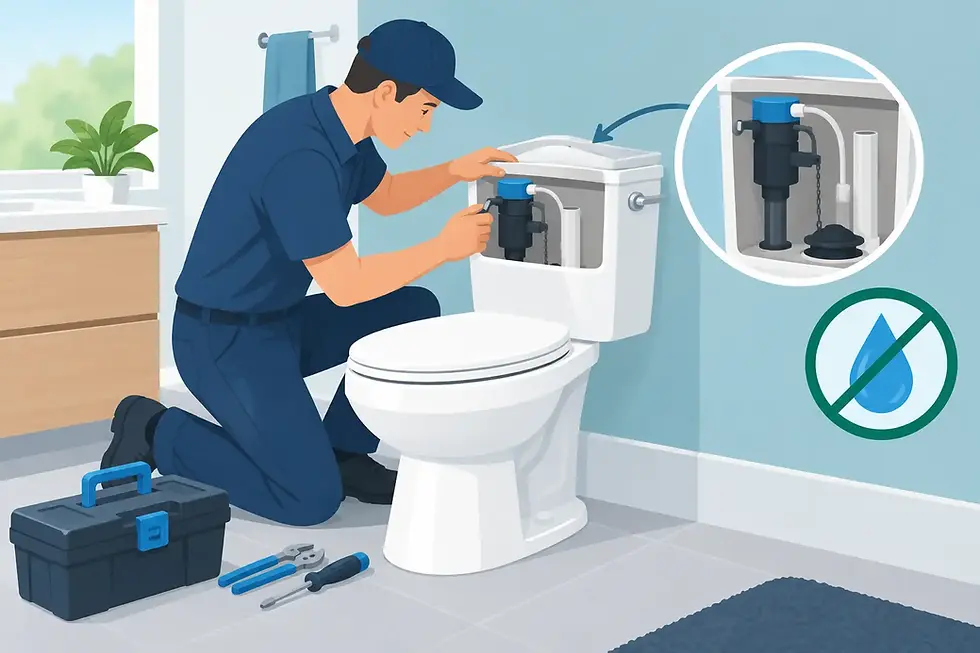
This test has limits. A toilet with a quiet internal leak can cause the same result as an underground pipe leak. Check toilets before assuming the problem is buried. Add a few drops of food colouring to the cistern and wait without flushing. If colour appears in the bowl, the cistern valve may be leaking and usually needs repair.
If the meter remains still, but you have damp walls or a wet floor, the issue could be an intermittent leak, drainage problem, roof leak or moisture coming from another source. The best next step depends on where the signs are appearing.
Check the places leaks often hide
Some parts of a plumbing system are more likely to develop concealed leaks than others. Looking closely in accessible areas may help narrow down the cause before arranging professional testing.
Under sinks, vanities and cupboards
Open cabinetry beneath kitchen sinks, bathroom basins and laundry troughs. Feel around pipe joints and flexible hoses for moisture, and look for swollen cabinet bases, mould or staining. A small leak from a trap or mixer connection can stay hidden inside a cupboard for months.
Around toilets and showers
Check the floor around the toilet base for movement, staining or a sewer-like odour. Water around a shower may be caused by plumbing, but it can also result from failed waterproofing, damaged grout or a shower screen that is not sealing properly. These issues can look similar, which is why a proper assessment matters before repairs begin.
At hot water systems
Look around the base of the unit, connections, valves and overflow pipe. A little discharge from a temperature relief valve can be normal at times, but regular or heavy flow should be checked. With gas hot water systems, do not attempt to dismantle components yourself. Water and gas work should be handled by a licensed professional.
In the garden and along supply lines
Walk the path between the water meter and the home, as well as around outdoor taps and irrigation points. Listen for hissing, look for pooling water and watch for patches of unusually lush growth. In the South West, sandy soil can allow water to drain away quickly, so an underground leak may not create a large puddle.
Avoid damage while you investigate
It is reasonable to carry out simple checks, but opening walls, lifting floors or digging around pipes without a confirmed location can create more work and expense. It can also damage electrical cabling, waterproofing membranes or the pipe itself.
If water is actively leaking indoors, turn off the isolation valve to the affected fixture if you can identify it. If the leak cannot be isolated, turn off the main water supply at the meter or property stop valve and contact a plumber. Move furniture and valuables away from wet areas, then dry accessible surfaces to reduce the chance of mould and swelling materials.
For suspected sewer leaks, overflowing drains or water near electrical outlets, treat the situation as urgent. Avoid contact with contaminated water and keep people away from the area until it can be assessed safely.
When professional leak detection is the better option
A professional inspection is worthwhile when the meter test indicates a leak but the source is not visible, when moisture is appearing through finished surfaces, or when the issue keeps returning after an apparent repair. This is particularly relevant for slab leaks, underground water services and pipework within walls.
A plumber can use targeted methods to locate hidden leaks with less disruption than exploratory digging or demolition. Depending on the property and the suspected fault, this may include pressure testing, acoustic listening equipment, thermal imaging, moisture testing or CCTV drain inspection. The right method depends on whether the suspected leak is on a water line, drain, stormwater pipe or hot water system.
There is a practical trade-off here. A basic visible leak may only need a straightforward repair, while locating a concealed fault can require more diagnostic time. However, confirming the source before cutting into a wall, concrete or landscaping is usually the more sensible approach. It helps ensure repairs address the actual problem rather than the most obvious symptom.
For commercial sites, strata properties and rural blocks, early detection can be especially valuable. A concealed water loss may affect operating costs, tenant comfort, stock areas, pump systems or water storage. Property managers should also document signs of moisture and meter readings, as this can help establish when the issue began and guide the repair process.
Prevent future hidden leaks
Not every leak can be prevented, but regular checks reduce the chance of one going unnoticed. Keep an eye on water bills, inspect accessible pipework after storms or long periods away, and repair dripping taps and running toilets promptly. If you are renovating, make sure new plumbing is installed and tested correctly before walls and floors are closed up.
Older homes, properties with long underground supply runs and buildings with high water use may benefit from occasional plumbing inspections. The goal is not to replace routine maintenance with guesswork. It is to catch small changes before they turn into damaged flooring, mould growth or a major water bill.
SmartFlow Plumbing & Gas can assess suspected water leaks across Busselton and the South West, helping identify the cause and recommend a practical repair. If your meter is moving when no water is running, or a damp patch is getting larger, acting early is the safest way to protect your property.


Comments